Various Objects and Food Items Line Art: A Smart Guide for Designers and Creators
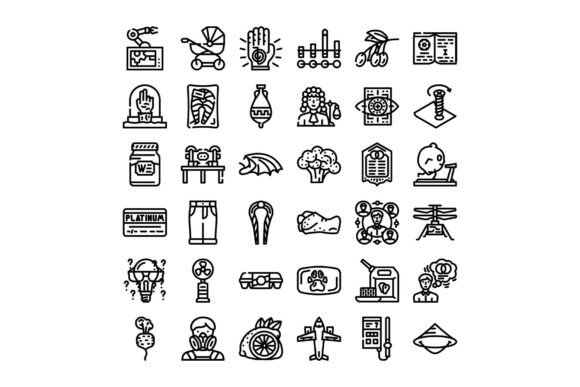
Line art featuring everyday objects, food items, characters, and abstract concepts has become a go-to visual resource for web designers, content creators, and small business owners. Whether you're building a website, designing marketing materials, or creating engaging social media posts, a well-curated collection of line art icons can elevate your visuals while saving time and effort.
Why Line Art Matters in Modern Design
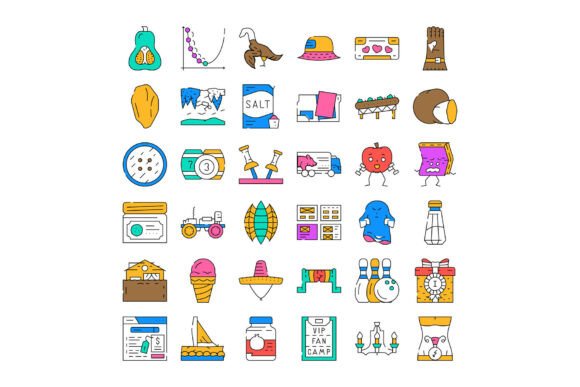
Simple yet expressive, line art offers a clean aesthetic that works across platforms and design styles. It's especially useful for minimalist layouts, infographics, educational materials, and branding elements. A collection featuring various objects and food items in line art format provides flexibility, allowing users to mix and match visuals without clashing in style.
For example, a food blogger might use line art of fruits and kitchen tools to illustrate recipes, while a startup building a wellness app could incorporate line art of people and health-related objects to guide user experience.
Common Mistakes When Choosing and Using Line Art
Despite its versatility, many creators make avoidable errors when selecting or applying line art icons. These mistakes can lead to poor visual coherence, licensing issues, or wasted time trying to fix preventable problems.
1. Overlooking Scalability and Resolution
Some line art collections are only suitable for screen use and don’t scale well for print or larger formats. Vector-based files (like SVG or EPS) are ideal because they maintain clarity at any size. Raster images (like PNG or JPEG) may look sharp on a phone but pixelate when enlarged.
Better approach: Always check the file types included in the collection. Opt for vector formats if you plan to resize or adapt the icons for different applications.
2. Ignoring Licensing and Usage Rights
Many designers download line art icons from free or paid sources without reading the fine print. Some collections are limited to personal use, while others require attribution or prohibit commercial use altogether.
For instance, a small business owner might unknowingly use restricted line art on their product packaging and later face legal issues or unexpected fees.
Better approach: Review the license agreement before downloading or purchasing. Choose royalty-free or commercial-use licensed sets when working on client projects or business materials.
3. Misjudging Style Consistency
Not all line art icons are created in the same style. Mixing thick strokes with thin lines, or detailed sketches with minimalist outlines, can create visual confusion.
Better approach: Preview multiple icons from the same collection to ensure they share a consistent visual language. Stick to one or two complementary styles per project to maintain a professional appearance.
4. Failing to Check for Customization Options
Some line art sets are locked in a specific color or stroke weight, limiting their adaptability. Others allow easy editing in design software like Adobe Illustrator or Figma.
Better approach: Look for collections that offer editable layers and color variations. This flexibility lets you tailor the icons to your brand palette or design theme without starting from scratch.
What to Check Before Downloading or Buying Line Art
Before committing to a particular set of objects and food items line art, take a moment to verify the following:
- File formats: Are vector options available?
- License type: Is it suitable for your intended use?
- Style consistency: Do the icons work together visually?
- Update frequency: Is the collection regularly expanded or maintained?
- Support and documentation: Are instructions or tutorials included?
These checks can prevent headaches down the road and ensure you're investing in a resource that grows with your needs.
Choosing the Right Collection for Your Needs
There's no one-size-fits-all solution when it comes to line art. A collection that works for a children's book might not suit a corporate website. Consider your audience, platform, and overall design goals before making a selection.
For example, educators might benefit from a set with a variety of classroom-related objects and playful characters, while a food delivery service would prioritize high-quality line art of meals, utensils, and delivery icons.
Tip: Many platforms offer preview packs or free samples. Use these to test how the icons perform in your actual design before purchasing the full set.
How to Use Line Art Effectively in Design Projects
Once you've selected a collection, the next step is to integrate it into your project without overwhelming the layout or diluting your message.
- Balance with whitespace: Don’t crowd your design with too many icons. Let them breathe for a cleaner, more professional look.
- Align with typography: Match the tone of your line art with your font choices—playful icons with rounded fonts, minimalist icons with sans-serif typefaces.
- Use color strategically: Even in line art, a single accent color can highlight key elements or guide the viewer's attention.
By applying these principles, you’ll ensure your line art enhances rather than distracts from your content.
Final Thoughts
A well-chosen set of various objects and food items line art can be a powerful tool in your design arsenal. It simplifies visual storytelling, supports branding, and improves user engagement when used thoughtfully. By avoiding common mistakes and understanding what to look for, you can confidently select and apply line art that serves your goals and elevates your creative work.
Whether you're a seasoned designer or just starting out, taking the time to evaluate your line art choices will pay off in quality, efficiency, and overall satisfaction with your final product.