Various Line Icons Featuring Object: A Smart Choice for Modern Design Projects
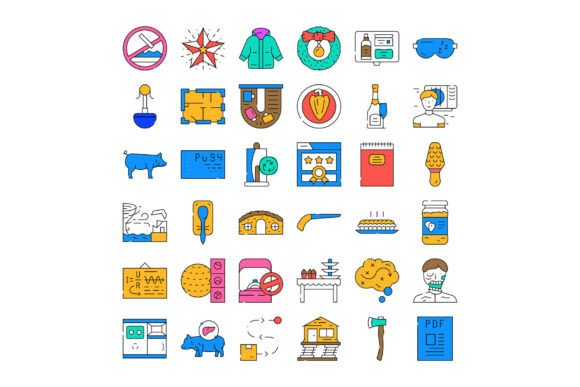
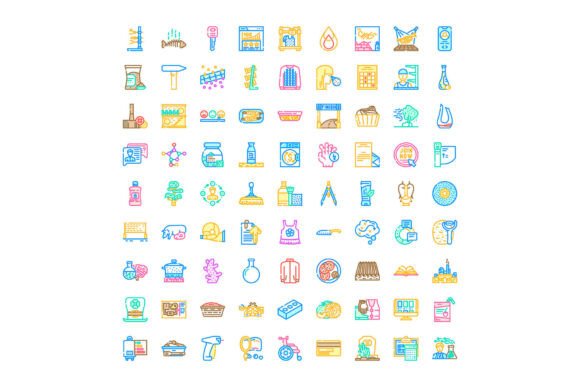
When it comes to creating clean, intuitive interfaces for websites, apps, or marketing materials, the right icons can make all the difference. Various Line Icons Featuring Object offers a diverse collection of outline icons that present concepts, objects, and activities in a clean, colorful line art style. These icons are not just visually appealing—they're functional tools that help communicate ideas clearly and efficiently.
Why Designers and Creators Choose Line Icons
The Various Line Icons Featuring Object set stands out due to its versatility and clarity. Whether you're designing a mobile app, a dashboard, or a blog post, these icons help simplify complex ideas. Their minimalist style ensures they don't distract from the content, while still adding visual interest. Many professionals choose them for user interface (UI) design, infographics, presentations, and even print materials.
Because they're built in a line art format, they scale well across different screen sizes and resolutions, making them ideal for responsive design. Plus, their color flexibility allows them to blend seamlessly into a wide range of brand palettes and design systems.
Common Mistakes When Choosing and Using Line Icons
Despite their usefulness, many people make avoidable mistakes when selecting or applying line icons. These missteps can affect the clarity, professionalism, and usability of a design. Here are some of the most common issues—and how to avoid them.
1. Ignoring Context and Audience
One of the most frequent oversights is choosing icons that don’t match the intended audience or context. For example, a tech startup might use sleek, modern line icons, while a children’s educational app may benefit from more playful, rounded designs. The Various Line Icons Featuring Object collection includes a wide variety, so it's important to preview and select icons that align with your brand voice and audience expectations.
Better approach: Always test icons with a small group of users or stakeholders before finalizing your design. What seems intuitive to you may not be clear to others.
2. Overlooking Scalability
While line icons are generally scalable, not all icon sets are created equal. Some may appear pixelated or distorted when used at very small or very large sizes. This issue is especially important for responsive web and app design, where icons must look sharp on both mobile and desktop screens.
Better approach: Use SVG (Scalable Vector Graphics) formats whenever possible. Most Various Line Icons Featuring Object packages include SVGs, which maintain quality at any size. Always test icons at multiple resolutions before deploying them.
3. Failing to Maintain Visual Consistency
Icon sets often include dozens or even hundreds of options. It's tempting to mix and match icons from different collections to find the perfect visual match. However, this can lead to inconsistency in stroke width, curvature, and overall style, which disrupts the visual harmony of your design.
Better approach: Stick to a single icon set or carefully curated subset. If you need to combine icons, choose ones with matching stroke widths, corner styles, and proportions. Tools like Figma or Adobe Illustrator can help you tweak icons to match your design system more closely.
4. Using Too Many Icons
Icons are meant to enhance understanding, not replace text entirely. Some designers fall into the trap of using icons without labels, thinking they'll save space or look cleaner. However, this can lead to confusion—especially if the icon is ambiguous or unfamiliar to users.
Better approach: Pair icons with concise text labels, especially for navigation and key actions. This improves accessibility and ensures clarity across different user groups and devices.
5. Not Checking Licensing and Usage Rights
Another common mistake is downloading icons without verifying their licensing. While many Various Line Icons Featuring Object collections are available under free licenses, some require attribution or restrict commercial use. Others may be part of premium packages that require a paid license for full usage rights.
Better approach: Always read the licensing terms before downloading or using icons. Keep a record of which icons you use and their respective licenses, especially for team projects or client work. This helps avoid legal issues down the line.
What to Check Before Downloading or Purchasing
Before you commit to using a set of line icons, take a moment to evaluate the following:
- Format options: Does the package include SVG, PNG, and web font versions? These formats ensure compatibility across platforms and design tools.
- Customization potential: Can you easily change stroke width, color, or size without breaking the design?
- Update frequency: Is the icon set actively maintained and updated with new additions?
- Support and documentation: Are there clear instructions for use, along with examples and best practices?
Maximizing the Value of Various Line Icons Featuring Object
When used thoughtfully, Various Line Icons Featuring Object can elevate your design projects and improve user experience. To get the most out of them:
- Create a visual style guide that includes icon usage guidelines.
- Use design tools that support icon libraries for faster implementation.
- Regularly audit your icon usage to ensure consistency across platforms.
- Explore bundled icon sets for extended flexibility without compromising design integrity.
Final Thoughts
The Various Line Icons Featuring Object collection is a powerful resource for anyone involved in digital or print design. By avoiding common mistakes and making informed choices, you can ensure your icons enhance rather than hinder your work. Whether you're a beginner or a seasoned professional, taking the time to understand how to use these icons effectively will lead to clearer communication, better user experiences, and more polished designs.