Flat Line Color Icons: Simple Visuals for Modern Design
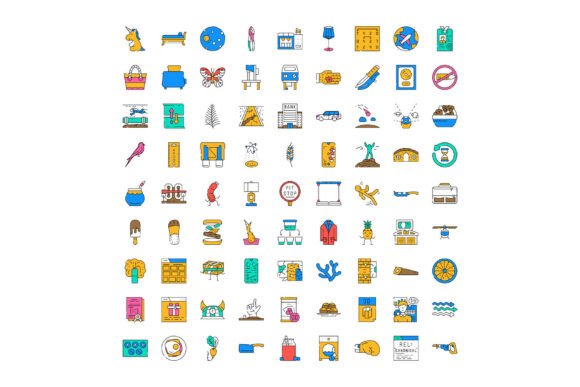
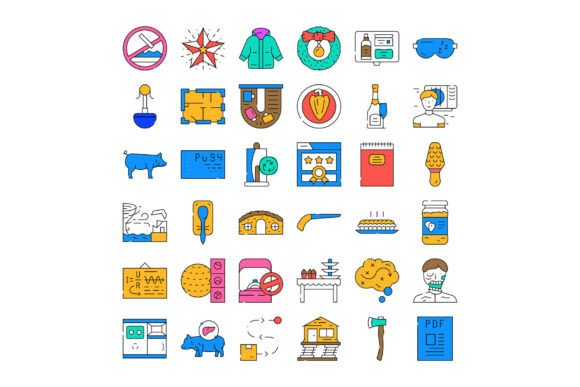
Flat line color icons offer a clean, modern approach to visual communication. These minimalist icons combine the simplicity of flat design with the subtle depth of line work and color accents. Whether you're building a website, designing an app, or creating marketing materials, this collection of various flat line color icons provides versatile visuals that enhance user experience without overwhelming the design.
What Makes These Icons Unique?
Unlike traditional icons that may feature heavy shadows or complex textures, flat line color icons use clean lines and soft fills to convey meaning. This style is both contemporary and timeless, making it ideal for a wide range of applications. The icons are typically scalable vector graphics, which means they maintain clarity at any size—perfect for responsive web and mobile design.
Each icon in the set of different outline color vector icons is crafted to illustrate everyday objects, abstract concepts, and digital functions. From simple tools like clocks and calendars to more conceptual ideas like teamwork or innovation, this collection covers a broad visual vocabulary.
Why Use Flat Line Color Icons?
Designers and creators choose flat line icons for several practical reasons. First, they help simplify complex ideas into easily recognizable visuals. This makes them especially useful in user interfaces where clarity and quick recognition are essential. Second, their minimal style allows them to blend seamlessly into a variety of design themes without clashing or looking outdated.
For example, a small business owner building a website might use these icons to guide visitors through different sections—like contact, services, and pricing. A teacher creating digital lesson plans could use icons to represent topics like science, history, or math, helping students visually organize content.
Common Use Cases Across Industries
- Web design: Enhance navigation menus, landing pages, and infographics with clear, scalable icons.
- Mobile apps: Improve user experience with intuitive icons for menus, settings, and actions.
- Marketing materials: Use icons in presentations, social media posts, and email campaigns to make content more engaging.
- Educational tools: Support digital learning platforms with icons that simplify complex subjects.
- E-commerce: Help shoppers quickly identify product features like free shipping, returns, or eco-friendly packaging.
How to Choose the Right Icons
When selecting from a collection of various flat line color icons, consider both style and function. Look for icons that match your brand’s color palette and visual tone. Consistency in line thickness, color saturation, and overall design helps maintain a professional appearance across your project.
Also, make sure the icons are available in vector format (like SVG) so they scale without losing quality. If you're using them on a website, check that the file sizes are optimized for fast loading. Some icon sets may also include multiple color variations or allow for easy customization through CSS or design software.
Design Tips for Best Results
- Keep it consistent: Use icons that follow the same design language throughout your project.
- Don’t overdo it: Use icons to support your message, not replace it. Too many visuals can confuse users.
- Test for clarity: Make sure each icon is instantly recognizable, even at smaller sizes.
- Think about accessibility: Choose colors with enough contrast to ensure visibility for all users, including those with visual impairments.
Who Benefits from These Icons?
From freelancers to educators, and entrepreneurs to UI/UX designers, the set of different outline color vector icons appeals to a wide audience. Beginners appreciate the ease of use and drag-and-drop compatibility with design tools like Figma, Illustrator, or Canva. More experienced designers value the flexibility and adaptability of the icons across multiple platforms and styles.
Small business owners and bloggers often use these icons to enhance their branding and make content more visually appealing. For example, a wellness blog might use icons for fitness, nutrition, and mindfulness to help readers quickly scan and understand articles. A startup building a mobile app could use the icons to create a more intuitive and visually cohesive user interface.
Where to Find High-Quality Icon Sets
Many design marketplaces and creative platforms offer curated collections of flat line color icons. When choosing a source, look for a provider that offers regular updates, licensing options for both personal and commercial use, and good customer support. Reading user reviews can also help ensure you're getting a reliable and well-designed set.
Before downloading or purchasing, check if the icon set includes common file formats like SVG, PNG, and EPS. Some providers also offer preview tools so you can see how the icons look in different colors and sizes before committing.
Final Thoughts
Whether you're designing a website, creating digital content, or building an app, the collection of various flat line color icons is a practical and stylish choice. These icons help communicate ideas clearly, enhance visual appeal, and improve usability across a variety of digital environments. With the right set, you can bring a fresh, modern look to your projects—no matter your skill level or industry.