Strategic Value of the Collection of Various Modern Web and Mob for Digital Design
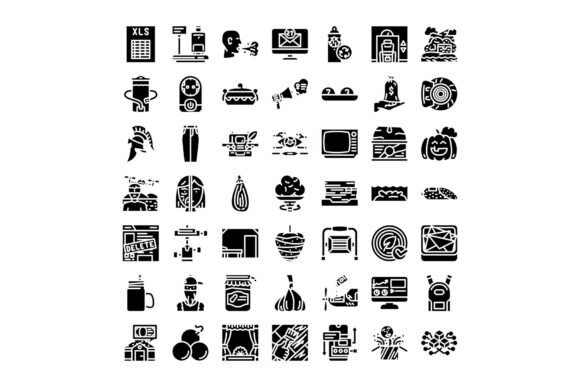
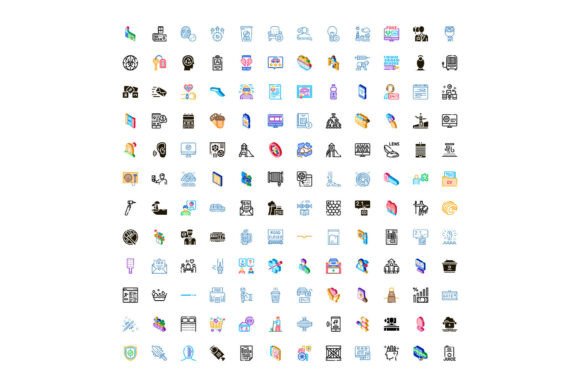
Design is no longer just about aesthetics—it’s a strategic tool that shapes user experience, communication, and brand perception. The Collection of Various Modern Web and Mob offers a comprehensive library of isometric and flat graphic icons that reflect modern digital interfaces, everyday objects, and common services. Whether you're designing a website, a mobile application, or a UI dashboard, this collection provides a ready-made visual language that can enhance clarity, consistency, and efficiency in your projects.
Why This Collection Matters for Modern Designers
Visual communication is central to how users interact with digital products. Icons serve as intuitive signposts that guide users through interfaces, reducing cognitive load and improving usability. The Collection of Various Modern Web and Mob stands out for its diversity and relevance to current design trends. It includes icons for everyday concepts like communication, finance, health, and technology, making it a versatile asset for designers across industries.
For entrepreneurs and digital professionals, having access to a well-organized icon library can streamline the design process, reduce development time, and support a more cohesive visual identity. Instead of commissioning custom icons or sifting through generic sets, users can leverage this collection to maintain design consistency while accelerating project timelines.
Supporting Strategic Goals Through Visual Consistency
Every design decision should align with broader business or project goals. The Collection of Various Modern Web and Mob supports strategic planning by providing a foundation for consistent visual storytelling. When icons are used thoughtfully, they reinforce brand messaging, improve user navigation, and contribute to a more professional appearance.
- Branding: Consistent use of icons strengthens brand identity by creating a recognizable visual pattern across platforms.
- User Experience: Familiar icons reduce learning curves and help users quickly understand interface functions.
- Efficiency: Pre-designed icons eliminate the need for custom illustration, allowing teams to focus on higher-impact tasks.
Consider a SaaS platform that uses icons from the collection to represent features like file sharing, notifications, and user profiles. These visual elements help users navigate the interface without relying solely on text, improving accessibility and engagement.
How to Approach Icon Use Strategically
While the Collection of Various Modern Web and Mob offers a broad range of options, effective use requires more than just selecting icons at random. Strategic application involves understanding your audience, aligning with your brand language, and ensuring that icons enhance rather than complicate the user experience.
- Define your use case: Are you building a dashboard, a landing page, or a mobile app? Each context may require a different subset of icons.
- Match visual tone: Choose icons that align with your overall design style—flat, isometric, minimalist, or bold.
- Test for clarity: Icons should be intuitive. If users struggle to interpret a symbol, it may not be the right fit.
For example, an educational platform might use icons related to learning, progress tracking, and collaboration to reinforce its mission. Meanwhile, a financial app could prioritize icons related to transactions, budgets, and security to build trust and functionality.
Planning Tips for Long-Term Use
When integrating the Collection of Various Modern Web and Mob into your design system, think beyond the immediate project. A scalable icon strategy ensures that your visual language remains cohesive as your product evolves.
- Organize icons by category: Group icons by function or theme to simplify future updates and maintenance.
- Document usage guidelines: Create internal standards for icon size, color, spacing, and placement to ensure consistency across teams.
- Consider future needs: Choose a collection that offers flexibility and expansion potential as your product or service grows.
Designers working on enterprise-level applications should especially consider how icon choices affect long-term scalability. A well-structured icon system can prevent visual clutter and support a unified user experience across multiple platforms and updates.
Knowing When to Use (and When Not to Use) the Collection
While the Collection of Various Modern Web and Mob is a powerful resource, it's not always the best solution for every project. Understanding when to leverage this collection—and when to seek custom alternatives—can prevent design missteps and missed opportunities.
Use the collection when:
- You need to represent common concepts quickly and clearly.
- Your project timeline or budget limits the ability to commission custom icons.
- You want to maintain a modern, minimalist aesthetic across your interface.
Avoid relying on the collection when:
- Your brand requires highly unique or stylized visuals that aren’t covered in the set.
- You're designing for a niche industry with specialized terminology or processes.
- You want to avoid generic design patterns that may dilute your brand’s distinctiveness.
In such cases, combining elements from the collection with custom illustrations can offer a balanced approach—leveraging efficiency while preserving brand identity.
Understanding the Risks of Random Icon Use
One of the most common pitfalls in digital design is the random or inconsistent use of icons. When designers treat the Collection of Various Modern Web and Mob as a grab-bag rather than a strategic asset, the result can be visual dissonance, user confusion, and a weakened brand presence.
Risks include:
- Inconsistent styling: Mixing icons with different visual weights, colors, or perspectives can create a disjointed interface.
- Miscommunication: Icons that are too abstract or culturally specific may not convey the intended meaning to all users.
- Overuse: Too many icons can overwhelm users and distract from core content or actions.
To avoid these issues, establish a clear icon strategy before implementation. Define which icons are essential, how they should be styled, and where they should appear within the interface.
Maximizing Long-Term Value Through Intentional Design
The Collection of Various Modern Web and Mob becomes most valuable when used with intention. This means aligning icon choices with user needs, brand values, and functional goals. It also means revisiting your icon system periodically to ensure it continues to serve your evolving design and business requirements.
Consider the following to build long-term value:
- Review user feedback: Monitor how users interact with your icons and make adjustments where needed.
- Update with design trends: While consistency is key, periodic refreshes can keep your interface feeling current and relevant.
- Collaborate across teams: Ensure that designers, developers, and content creators are aligned on icon usage and meaning.
For instance, a blogging platform might start with a basic set of icons for navigation and gradually expand to include more detailed illustrations for featured content types like podcasts, videos, or interactive guides.
Final Thoughts: A Tool for Strategic Designers
The Collection of Various Modern Web and Mob is more than a set of icons—it’s a strategic design resource that can enhance communication, streamline development, and strengthen brand presence. When used thoughtfully, it supports clear user pathways, reinforces visual identity, and contributes to a more efficient design workflow.
Whether you're a solo creator, a startup founder, or part of a large design team, the key to success lies in intentionality. By understanding your goals, planning your icon use, and considering the long-term implications of your choices, you can turn this collection into a powerful asset for your digital projects.