Pictogram Collection Illustrating Divers: A Visual Tool for Modern Interface Design
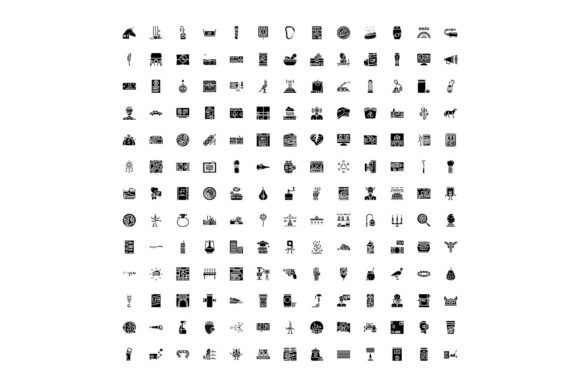
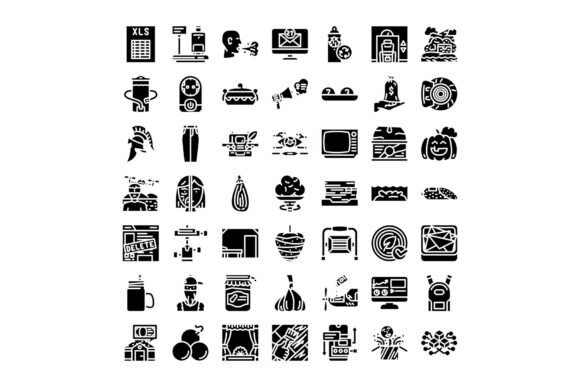
Designers and developers often seek visual assets that communicate ideas clearly and efficiently, especially when building digital interfaces. The Pictogram Collection Illustrating Divers offers a unique set of icons that represent a wide range of concepts through flat, outlined vector graphics. This collection stands out for its versatility and clarity, making it a practical choice for modern web and application design.
Understanding the Pictogram Collection Illustrating Divers
The Pictogram Collection Illustrating Divers is a curated set of visual symbols designed to convey digital and everyday concepts in a simplified, universally understandable format. Each pictogram is crafted with clean lines and minimal detail, allowing for easy recognition across different platforms and screen sizes. These icons are especially useful in user interfaces where clarity and speed of comprehension are essential.
What sets this collection apart is its balance between visual simplicity and expressive range. Unlike overly stylized icon sets that may sacrifice clarity for aesthetic appeal, the Pictogram Collection Illustrating Divers maintains a consistent visual language that supports intuitive navigation and user engagement. Its flat, outlined design aligns well with current UI trends, offering a modern yet timeless appearance.
Comparing Pictogram Styles and Design Approaches
When evaluating icon design resources, it's important to consider how different styles serve various design needs. Some icon sets lean toward realism, using shadows, gradients, and textures to create depth. Others, like the Pictogram Collection Illustrating Divers, embrace minimalism, focusing on line work and open space to deliver meaning without visual clutter.
- Realistic icons may offer more visual richness but can be harder to scale and adapt across devices.
- Flat design icons, such as those in the Pictogram Collection Illustrating Divers, are typically easier to customize and integrate into responsive layouts.
- Material or skeuomorphic styles provide tactile cues but may not translate as well across platforms or accessibility standards.
Designers who prioritize flexibility and performance often find that flat, outlined pictograms like this collection offer a practical middle ground—visually engaging without compromising usability.
Strengths of the Pictogram Collection Illustrating Divers
One of the main advantages of the Pictogram Collection Illustrating Divers is its adaptability. Because the icons are vector-based, they can scale to any size without losing quality, making them ideal for both mobile and desktop interfaces. Additionally, their outlined format allows for easy color customization, enabling designers to match brand palettes or apply dynamic color changes based on user interactions.
This collection also excels in scenarios where a large number of icons are needed without overwhelming the interface. The visual consistency across icons helps maintain a cohesive design language, reducing cognitive load for users. Whether used in dashboards, navigation menus, or instructional content, these pictograms enhance usability without drawing unnecessary attention.
Tradeoffs and Limitations
While the Pictogram Collection Illustrating Divers offers many benefits, it may not be the best fit for every project. For instance, if a design requires highly detailed or emotionally expressive visuals—such as in educational or storytelling contexts—this collection might feel too abstract. Additionally, because the icons are minimalist by nature, they may not be as effective in environments where visual richness or differentiation is key.
Designers should also consider whether the collection includes the specific symbols they need. While it covers a broad range of digital and everyday concepts, niche or highly specialized use cases may require custom illustration or supplementation with other icon sets.
Use Cases and Best-Fit Scenarios
The Pictogram Collection Illustrating Divers is particularly well-suited for projects that prioritize clarity, scalability, and design harmony. It works effectively in:
- Mobile and web applications where clean, scalable icons improve usability and load times.
- E-learning platforms that rely on visual cues to guide users through instructional content.
- Infographics and data visualizations where simplified icons help illustrate complex ideas without visual overload.
- Branded design systems that require consistent, easily customizable visual assets.
For example, a productivity app aiming for a sleek, distraction-free interface would benefit from this collection’s streamlined aesthetic. Conversely, a children’s educational website might need more colorful or animated visuals to engage its audience effectively.
Alternatives and Design Considerations
Designers exploring options beyond the Pictogram Collection Illustrating Divers might consider:
- Custom icon design for unique branding or highly specific use cases.
- Icon libraries like Font Awesome or Material Icons for broader icon availability and integration support.
- Illustration-based assets for more expressive or narrative-driven interfaces.
Each alternative has its own strengths and tradeoffs. Custom design offers originality but requires more time and resources. Pre-built libraries provide convenience but may lack visual uniqueness. Illustration-based assets add personality but can complicate scalability and performance.
Making the Right Choice
Selecting the right visual resource depends on the project’s goals, audience, and technical constraints. The Pictogram Collection Illustrating Divers shines when simplicity, clarity, and adaptability are priorities. It is particularly effective for interfaces that benefit from a clean, modern aesthetic and where icons must function across multiple contexts without losing legibility.
However, if a project demands high visual differentiation, emotional resonance, or niche iconography, designers may need to explore alternative resources. Ultimately, the best choice is one that aligns with both the functional needs of the design and the expectations of the end user.