Choosing and Using Various Linear Icons Illustrating Object: Avoid Common Pitfalls
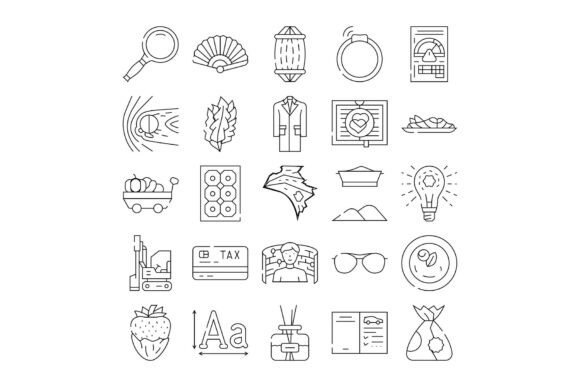
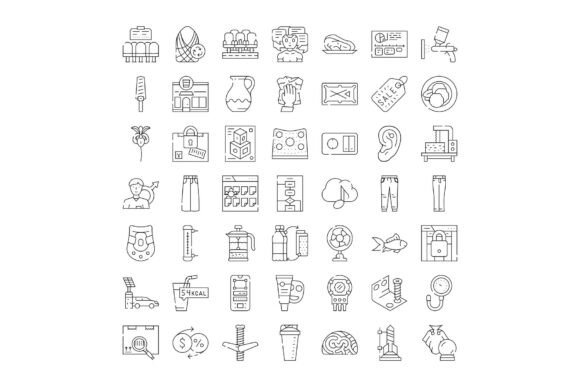
Icons play a crucial role in digital design, helping users understand actions, navigate interfaces, and interpret visual content more efficiently. When it comes to Various Linear Icons Illustrating Object, many designers and creators turn to this versatile set for clean, minimalist visuals that work across platforms and mediums. These icons represent a wide range of objects, concepts, and actions, making them a popular choice for web applications, mobile interfaces, and infographics.
However, despite their widespread use, many people overlook key considerations when selecting and applying these icons. Whether you're a beginner or an experienced designer, understanding how to effectively use Various Linear Icons Illustrating Object can significantly impact the clarity, usability, and professionalism of your design work.
Misunderstanding Icon Sets and Their Purpose
One of the most common mistakes is assuming that all icon sets are interchangeable. Various Linear Icons Illustrating Object are specifically designed to be consistent in style, stroke weight, and spacing, which contributes to a cohesive visual language. However, many users mix and match icons from different sources without considering these subtle but important design details.
This can lead to inconsistent visuals that confuse users and reduce the overall polish of your interface or graphic. For example, using a thick, bold icon from another set alongside the thinner strokes of Various Linear Icons Illustrating Object can create visual imbalance and make your design feel disjointed.
Better approach: Stick to a single icon set whenever possible, especially when designing user interfaces. If you must combine icons, choose ones that share similar stroke widths, proportions, and visual styles to maintain harmony.
Overlooking Licensing and Usage Rights
Another frequent oversight is not checking the licensing terms before downloading or using Various Linear Icons Illustrating Object. While many icon sets are available for free, they often come with specific usage restrictions. Some licenses may prohibit commercial use, require attribution, or limit redistribution.
Failing to comply with these terms can lead to legal issues, especially for entrepreneurs, marketers, and small business owners who use these icons in client work or marketing materials. It’s not uncommon for designers to unknowingly use icons in ways that violate licensing agreements, which can result in costly corrections or reputational damage.
Better approach: Always review the license agreement before downloading or embedding icons. If you're unsure, look for icons with clear commercial use permissions or purchase a premium license to ensure compliance and avoid future complications.
Misusing Icons in Context
Icons are meant to simplify communication, not complicate it. Yet, many designers use Various Linear Icons Illustrating Object without considering the context in which they appear. For instance, choosing a generic icon for a specific action can confuse users, especially if the symbol isn’t widely recognized.
A common example is using a “lightbulb” icon to represent customer support, which may not immediately make sense to users expecting a more conventional symbol like a “chat bubble” or “phone.” This mismatch between expectation and representation can hinder usability and increase cognitive load.
Better approach: Choose icons that align with common design conventions and user expectations. If a custom or less familiar icon is necessary, consider pairing it with text labels or tooltips to ensure clarity, especially in complex interfaces or infographics.
Neglecting Scalability and Resolution
Since Various Linear Icons Illustrating Object are typically vector-based, they should scale without losing quality. However, some users still download or convert them into raster formats like PNG at a fixed size, which can cause pixelation when scaled up.
This is particularly problematic in responsive web design or print materials where icons may need to appear at different sizes. A small icon that looks crisp on a mobile screen might become blurry or distorted when used on a large poster or banner if not properly handled.
Better approach: Whenever possible, use vector formats (like SVG) for icons. This ensures they remain sharp at any size and reduces the need for multiple image files. If you must use raster images, export them at the highest resolution needed for the largest display size.
Ignoring Visual Consistency Across Platforms
Designers often use Various Linear Icons Illustrating Object across multiple platforms—such as websites, mobile apps, and marketing materials—without considering how they appear in different environments. Variations in screen resolution, color profiles, and background contrasts can affect how icons are perceived.
For example, an icon that looks clean and legible on a bright white background may become hard to see on a dark or textured background. Similarly, icons that appear sharp on high-resolution displays might look blurry on older devices or low-DPI screens.
Better approach: Test your icons in different contexts and on various devices. Use contrast effectively and consider offering alternate versions or color variations to ensure visibility and usability across all platforms.
Underestimating the Importance of Icon Accessibility
Accessibility is often an afterthought when using Various Linear Icons Illustrating Object, especially in content-heavy websites or applications. Icons that rely solely on visual cues can be inaccessible to users with visual impairments or those using screen readers.
For instance, using only an icon to represent a search function without including accessible text can make it unusable for some users. Similarly, color-coded icons without additional indicators may not be distinguishable to colorblind individuals.
Better approach: Always include text labels or ARIA attributes for functional icons. Use color thoughtfully and ensure that icons are clearly distinguishable regardless of color perception. Providing alternative text and ensuring keyboard navigation compatibility can greatly improve accessibility.
Choosing Style Over Functionality
It’s easy to be drawn to the aesthetic appeal of Various Linear Icons Illustrating Object, especially since their clean lines and minimalist design are visually pleasing. However, style should never come at the expense of usability.
Some designers choose icons based solely on how “modern” they look, rather than how well they communicate the intended function or concept. This can lead to beautiful but confusing interfaces that fail to serve their purpose effectively.
Better approach: Prioritize clarity and purpose when selecting icons. If an icon doesn’t clearly represent its function or meaning at a glance, consider alternatives—even if they’re less stylish. A well-designed interface is one where form and function work together seamlessly.
Final Thoughts: Making the Most of Various Linear Icons Illustrating Object
Various Linear Icons Illustrating Object offer a powerful tool for enhancing digital communication, but their effectiveness depends heavily on how they're used. By avoiding common mistakes related to licensing, consistency, context, and accessibility, you can ensure that your designs are not only visually appealing but also intuitive and professional.
Before downloading or implementing any icon set, take a moment to evaluate its licensing terms, visual compatibility with your project, and suitability for your audience. With thoughtful application, Various Linear Icons Illustrating Object can elevate your designs and help you communicate more clearly with users, clients, and viewers alike.