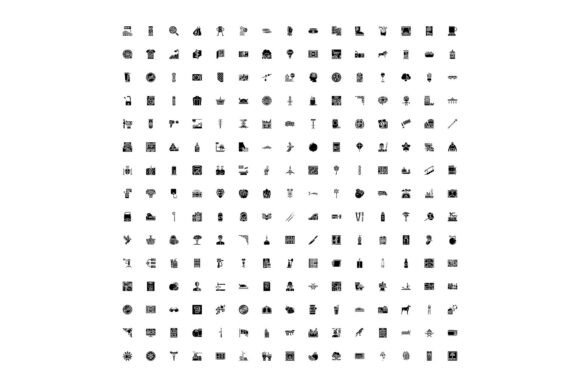
Simple Glyph Black Icons: Clean Design for Versatile Projects
Minimalist Visuals with Maximum Impact
Big Collection Simple Glyph Black Icons delivers a streamlined visual language that speaks volumes through simplicity. Each icon is a clean, black silhouette representing everyday objects, actions, and abstract ideas. The design leans heavily on geometric shapes and precise lines, avoiding unnecessary detail to ensure clarity and adaptability. This minimalist approach gives the collection a modern, uncluttered personality that works equally well in digital interfaces and print materials.
Unlike ornate icon sets that can feel overwhelming, these glyphs embrace negative space and consistent stroke weights to maintain visual harmony. The monochrome palette ensures they remain neutral and flexible, making them easy to integrate into a wide range of design contexts. Whether you're crafting a mobile app, branding a new product, or designing editorial layouts, this collection offers a timeless visual tone that supports rather than competes with your message.
Where These Icons Shine Across Design Disciplines
Designers working in different fields will find Big Collection Simple Glyph Black Icons particularly useful. In web design, these icons enhance navigation menus, call-to-action buttons, and infographic elements without distracting users. Their clarity at small sizes makes them ideal for responsive layouts where legibility is crucial across devices.
- Mobile apps benefit from their intuitive visual language, helping users quickly understand functions and features
- Brand identity systems can incorporate these icons into logo variations, app icons, or supporting graphics to reinforce visual consistency
- Packaging design often needs clear visual cues—these glyphs help communicate product features or usage instructions efficiently
- Social media graphics gain a polished look with icons that scale well across platforms and formats
Print designers also appreciate the collection’s adaptability. From editorial illustrations in magazines to signage systems and infographics in annual reports, these icons maintain their visual integrity whether used in full-page layouts or small callout boxes.
How Visual Consistency Builds Stronger Brands
Using Big Collection Simple Glyph Black Icons consistently across your materials creates a unified visual language. This consistency strengthens brand recognition and conveys professionalism. When users encounter the same clear, recognizable icons across a website, mobile app, packaging, and advertising materials, it builds familiarity and trust.
The clean, modern aesthetic of these icons subtly influences brand perception. They suggest organization, clarity, and forward-thinking design—qualities that resonate with audiences across industries. Whether you're designing a corporate dashboard or a personal blog, these glyphs help maintain visual hierarchy by guiding the viewer’s eye without overwhelming the layout.
From a readability standpoint, their simplified forms ensure that meaning is communicated instantly—even at a glance. This is especially valuable in data visualization, app design, and signage where quick comprehension matters. The icons' neutral tone also allows them to pair seamlessly with both bold and understated typography, enhancing rather than competing with text elements.
Choosing the Right Icons for Your Project
When selecting from Big Collection Simple Glyph Black Icons, start by evaluating the overall tone of your project. These icons work best when your design already embraces minimalism, flat design, or modernist principles. If your layout leans more illustrative or vintage, consider how these icons might complement rather than clash with the overall aesthetic.
Pay attention to the available styles and variations within the collection. Some glyph sets include multiple line weights, outline vs. solid versions, or themed subsets like technology, nature, or health. Having these variations allows for more nuanced visual hierarchies—for example, using bolder icons for primary actions and lighter ones for secondary functions.
Before finalizing your choices, test how the icons perform in context. Place them next to your selected typography and background colors to ensure legibility. If using on dark backgrounds, confirm that the black glyphs still provide enough contrast—sometimes a white outline or background highlight helps maintain visibility.
Smart Font Pairing Tips
These icons pair well with both sans serif and serif typefaces, depending on the desired tone:
- Sans serif fonts like Helvetica, Roboto, or Open Sans create a clean, modern pairing ideal for tech products, mobile apps, and contemporary branding
- Serif fonts such as Georgia or Merriweather bring a touch of classic elegance, making them suitable for editorial design, publishing, and premium brand identities
- Script fonts should be used sparingly—consider them for accent text rather than primary body copy to maintain readability
Always preview icon and font combinations at actual display sizes. What looks balanced on a large monitor might become visually lopsided on a smartphone screen. Use spacing and alignment carefully to ensure icons and text sit comfortably together without appearing cramped or disconnected.
Practical Considerations for Commercial Use
Before using Big Collection Simple Glyph Black Icons in a commercial project, review the licensing terms carefully. Most premium icon sets include both personal and commercial licenses, but usage rights can vary. If your project involves redistribution—such as including icons in a template or theme—confirm that your license permits this.
Also, consider file formats. SVG is ideal for web use due to its scalability, while PNG works well for print and social media graphics. Some design tools support direct icon font integration, which can streamline workflow for digital designers.
Finally, keep your icon usage purposeful. Even with a large collection at your disposal, overusing icons can lead to visual clutter. Prioritize clarity and function—use icons where they enhance understanding, not just for decoration. A well-placed glyph can replace paragraphs of explanation, making your design more intuitive and visually engaging.